
Two weeks to find out what is driving your Microsoft Fabric costs, and cut them. For Australian organisations running Fabric or Power BI.
Fixed fee, fixed timeline. From $9,995 AUD (ex GST).
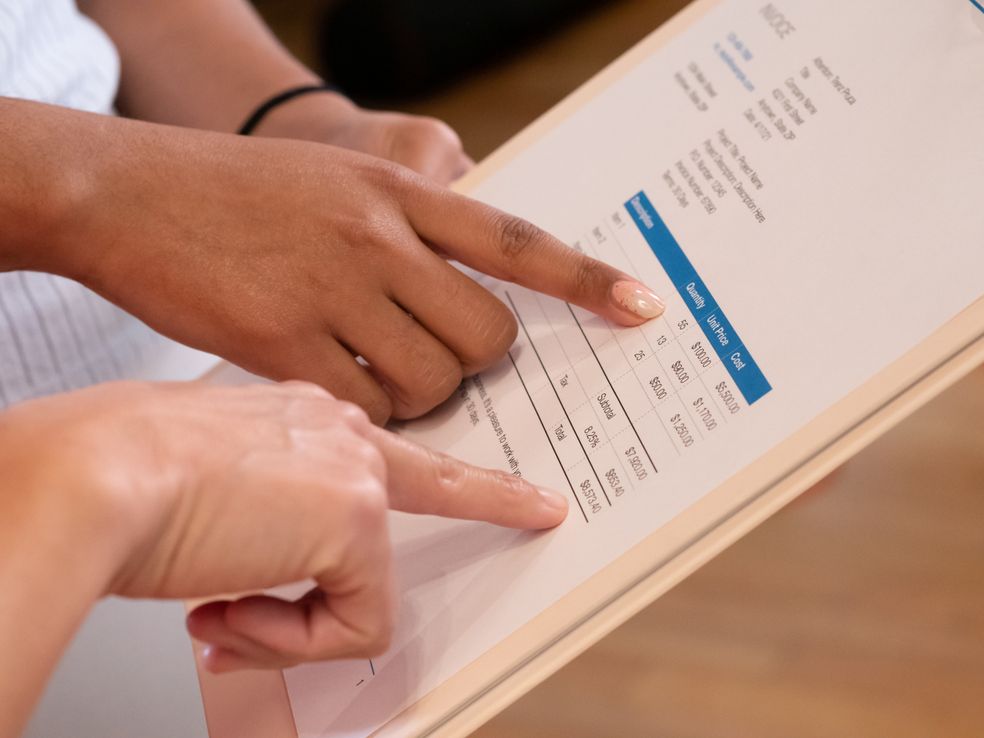
Most Microsoft Fabric bills are higher than they need to be for a handful of reasons: capacity sized bigger than the workload needs, capacity upsized to stop throttling when the real cause was something else, pay-as-you-go capacity left running, and refreshes and processes consuming capacity around the clock. Fabric bills for the capacity you provision, not for the results you get, so these costs build quietly and surface as a single line on the invoice.
The Talos Microsoft Fabric Health Check finds what is driving your bill and starts cutting it. Two weeks. One fixed fee. One job: why is this costing so much, and how do we stop it?
Get the Fabric Health Check overview
For background on how Fabric is priced, see our guide to Microsoft Fabric pricing.
For one customer, we cut their Microsoft Fabric bill by 50%. By optimising and improving an existing process along the way, we also enabled them to do more with less.
Two weeks, and we do the heavy lifting. All we need to start is a short kickoff conversation. From there we work in the background, with no disruption to your live reports, and finish with a session that walks you through what we found and exactly what to do about it.
From $9,995 AUD (ex GST), fixed fee. This suits most small and mid-sized environments. If yours is larger or more complex, we'll scope and price it up front, so there are no surprises.
Talos is an Australian Microsoft Partner working with councils and organisations across Australia. We've worked in the Microsoft data and analytics platform since before Fabric existed, in the Power BI and Azure data stack that became Fabric. We're specialists in the current platform, in live Fabric environments every day, with a fixed fee and a clear scope so you know exactly what you're getting before we start.
On receipt of your form submission we'll send you the Microsoft Fabric Health Check overview via email. Please check your Junk folder just in case and let us know if you encounter any problems accessing the material.

Microsoft Fabric bills for capacity, not for results, and the meter never really stops. Usage builds quietly across capacities, refreshes and reports, then shows up as a single line on the invoice, which makes the cause hard to pin down. The Health Check breaks that number down in plain English so you can see what is actually driving it.
From $9,995 AUD (ex GST), as a fixed fee. That suits most small and mid-sized environments. If yours is larger or more complex, we scope and price it up front, so there are no surprises.
Two weeks. It starts with a short kickoff conversation, we do the analysis in the background, and it finishes with a session that walks you through what we found and exactly what to do about it.
No. After a short kickoff conversation we work in the background, with no disruption to your live reports.
A plain-English report with a board-ready summary and the technical detail your team needs; a prioritised plan to bring costs down, with each change specified so your team can act on it without us; the quick wins already fixed; and a walkthrough so you know exactly what happens next.
Microsoft Fabric is billed mainly by capacity. You buy an F SKU, from F2 upwards, and pay for it by the hour on pay-as-you-go or at a discounted rate with a reservation. OneLake storage is billed separately. You pay for the capacity you provision rather than for what you use, so an oversized or idle capacity costs the same as a busy one.
Yes, if it is a pay-as-you-go capacity. You can pause it in the Azure portal and you are not charged for compute while it is paused, which suits development and test capacities that sit idle overnight and at weekends. Reserved capacity is paid for whether it is running or not, so pausing it saves nothing. Content in a paused capacity is unavailable until it is resumed.
Throttling happens when your workloads use more capacity units than your capacity provides over a sustained period. Fabric smooths short spikes, but once overuse builds up it first delays and then rejects requests. The usual causes are inefficient semantic models, refreshes that run more often than needed, heavy queries and long-running notebooks. Buying a bigger capacity makes the throttling stop, but it raises the bill without fixing the cause.
For capacity that runs most of the time, yes. A reservation is charged at a substantial discount to pay-as-you-go rates, but you pay for it whether or not the capacity is running. Pay-as-you-go suits capacities that can be paused for long periods, such as development and test. The cheapest mix depends on how your workloads actually run across the week.

Get the latest Talos Newsletter delivered directly to your inbox
Automation & Analytics Technologies for Business

Talos helps organisations build reporting solutions using Jet Analytics
Talos helps organisations build modern data and analytics platforms using Databricks, Microsoft Fabric and Power BI. We work from strategy through implementation, ensuring you get value from the platform without unnecessary complexity.

Australian councils face backlogs, staff turnover, and rising community expectations. We help you improve service delivery and operational efficiency through process automation — integrated with TechnologyOne, Civica, and Pathway.
We look forward to discussing your requirements, please complete the form below, book a meeting here, or contact us directly via email: [email protected]

A two-week, fixed-fee review of your Microsoft Fabric environment by Talos. We find out what is driving your Fabric costs, fix the quick wins on the spot, and give you a ranked plan to bring the rest down, biggest savings first.